User Manuals: Why Clarity is Your Greatest Leadership Asset
In 1966, legendary Oregon track coach Bill Bowerman and cardiologist Dr. W. E. Harris published a slim, unassuming book with a bold, single-word title: Jogging. At a dollar a copy, it laid out a simple, medically approved instruction guide for something humans had done since the dawn of time: putting one foot in front of the other.
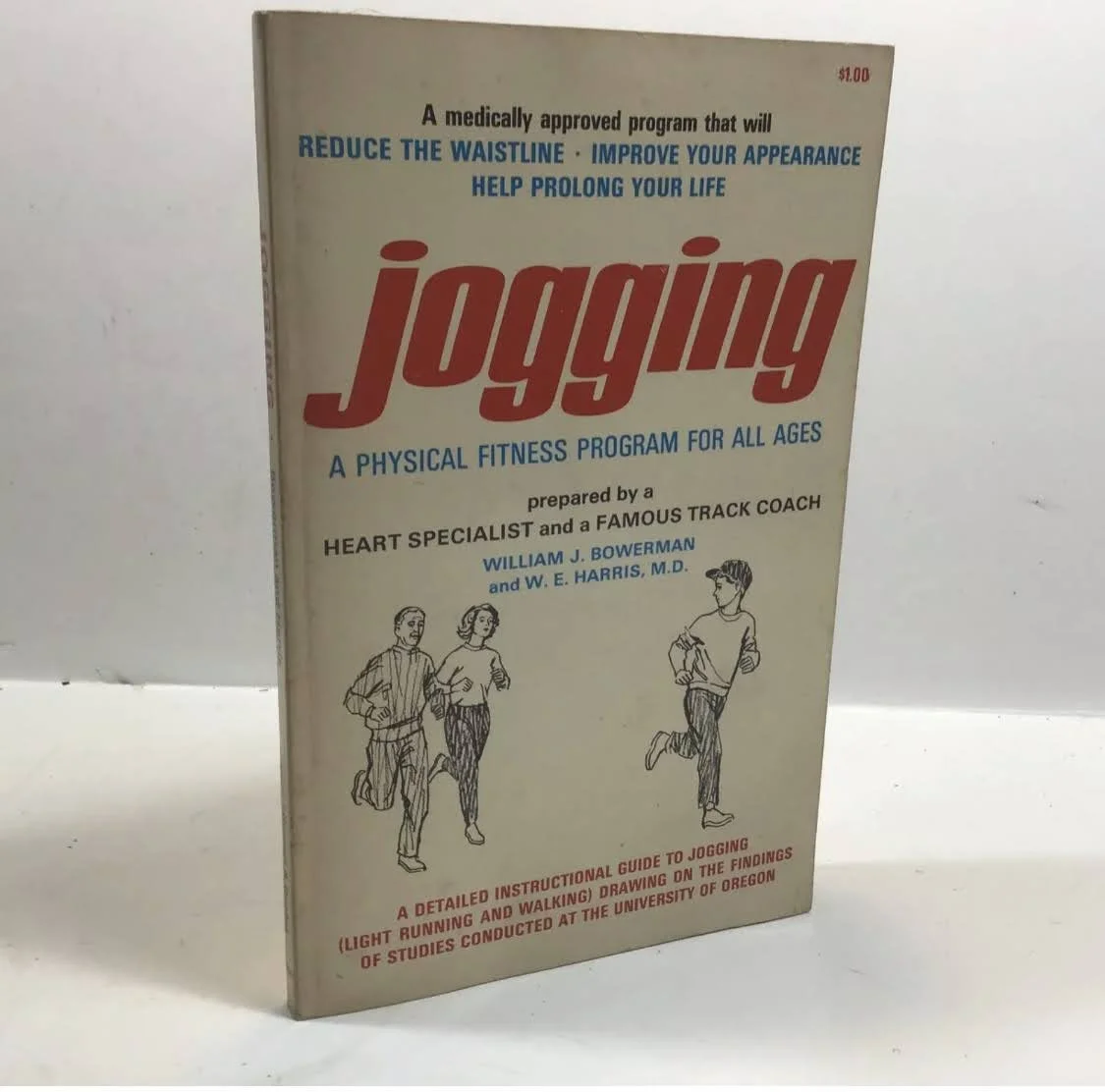
At the time, running simply for health and clarity was considered eccentric, even radical. Yet that little manual demystified the practice, sparked a global running revolution, and remains as true and actionable today as the day it was printed. It took what was implicit, scattered, and misunderstood, and gave it structure, purpose, and form.
There is a powerful lesson here for modern leadership.
In the fast-moving, high-stakes corporate world—where the noise is deafening, the pings are relentless, and the pace never slows—we often ask teams to navigate complex terrain without a map. We expect colleagues to guess our communication styles, decode our decision-making frameworks, and infer what "excellence" looks like through trial and error. That ambiguity drains energy, stalls velocity, and creates unnecessary friction.
Just as Bowerman gave runners an instruction manual to move forward efficiently and sustainably, every leader benefits from defining—and publicly sharing—their own Leadership Instruction Manual.
Why Publish Your User Manual?
A personal user manual isn’t about ego or rigid rules; it’s an act of vulnerability and intentionality. When you articulate how you think, how you operate, and how you lead, several things happen:
You eliminate guesswork and accelerate velocity: It can take months for a new team member or cross-functional partner to learn your cadence, preferences, and priorities. A user manual flattens that learning curve to an afternoon, allowing teams to move with speed and confidence.
You anchor high standards with deep psychological safety: When people know upfront that you focus on improving bad processes rather than blaming good people, fear disappears. It builds an environment where honest feedback and relentless pursuit of excellence coexist seamlessly.
You hold yourself accountable to your north star: Writing down your operating principles forces you to act with purpose by defining how you choose to show up for your work, your team, and your family.
My Leadership User Manual
Believe in Ourselves: Believing in your capability is the first step to achieving great results. Self-reflection and continuous learning build mastery, while self-doubt hinders momentum.
Maintain High Standards & Deep Devotion: Prioritizing one should never mean sacrificing the other. When expectations aren't met or deviations occur, I address them directly while reinforcing our shared commitment to excellence.
Be Kind to Everyone: Kindness fosters a joyful workplace. Honest, constructive feedback—though occasionally uncomfortable in the moment—is an essential gift when delivered with respect and care.
No Bad People, Only Bad Processes: We invest our time discussing, analyzing, and fixing broken processes—never assigning personal blame. Focus on root-cause solutions and speak truth with candor.
How I Work & Operate
Systems-Oriented Problem Solving: I obsess over inputs and operational design rather than simply demanding better outputs. Adjusting the systemic levers yields sustainable, scalable business results.
Scale Through Small, Empowered Teams: I believe a focused core team operating with high trust and alignment can drive transformational change at massive scale (impacting thousands of people and billions in scale/transactions).
Decision Velocity Over Perfection: Time is our most non-renewable resource. I default toward making high-conviction decisions with the best information available today, rather than stalling momentum in search of marginal data.
Integrated Work & Life: When my online status is green, I am logged in and focused on high performance. When logged off, it’s either family time, exercise, or sleep. Instead of keeping any particular ‘hours’ I flex to meet the demands of both work and life.
Thoughtful Over Immediate: I prioritize deliberate, high-signal responses over immediate reactions, while remaining finely tuned to real urgency when it arises.
Finding Your Quiet Mile
When Bill Bowerman handed runners that manual in 1966, he wasn’t asking everyone to run the same race. He was giving them a framework to run their own race with purpose, form, and longevity.
Writing and sharing your leadership manual isn’t about expecting others to adapt entirely to you; it is an invitation for open dialogue, mutual understanding, and higher execution. It clears the noise so that you and your team can focus on doing the best work of your lives.
Have you ever written down your own operating manual or shared it with your team? What is one core truth that would anchor yours?